

Introduction
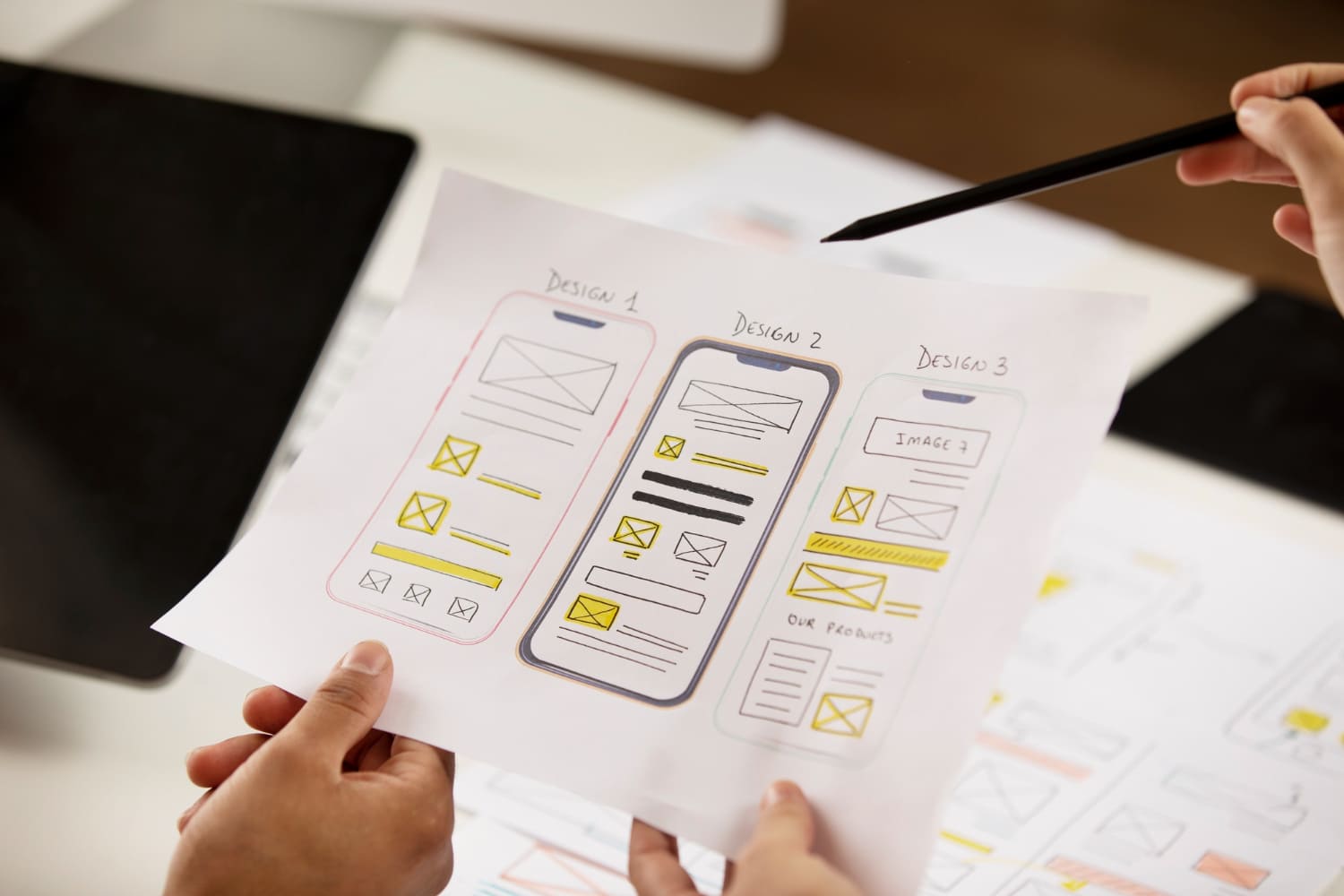
The field of UI or User Interface design is evolving rapidly as digital products become more sophisticated. In 2026, businesses and designers are prioritizing seamless, intuitive, and visually appealing interfaces that enhance user experience across web, mobile, and emerging platforms. Good UI design is no longer just about aesthetics—it’s about efficiency, accessibility, and engagement.
The rise of AI, advanced prototyping tools, and shifting user expectations are shaping the way designers approach interfaces. Companies that invest in modern UI design strategies gain higher user retention, increased conversions, and stronger brand loyalty.
Web and app users today expect interfaces that are not only beautiful but also functional, responsive, and accessible. Poorly designed interfaces can frustrate users, reduce engagement, and even harm a brand’s reputation. In contrast, thoughtfully designed UI can transform the user experience into a powerful tool for brand advocacy and customer satisfaction.
Table of Contents
- Introduction
- The Rise of Modern UI
- Best Practices in UI Design
- Emerging Trends in 2026
- Tools and Software
- AI in UI Design
- Accessibility and Inclusive Design
- Common UI Design Mistakes to Avoid
- Conclusion
The Rise of Modern UI
Modern UI emphasizes simplicity, clarity, and responsiveness. Designers are moving away from cluttered layouts and embracing minimalistic designs that guide users naturally through digital experiences.
Key factors driving this evolution include:
- Mobile-first design: With most users accessing platforms via smartphones, responsive and adaptive layouts are critical. Mobile-first UI ensures your design works perfectly across all screen sizes and devices.
- Micro-interactions: Subtle animations, hover effects, and transitions enhance user engagement without overwhelming the interface. Micro-interactions provide feedback and delight users, making the experience more intuitive.
- Accessibility: Inclusive design ensures products are usable by people with disabilities, expanding reach and improving UX. Accessibility is not just ethical; it’s a legal and SEO advantage in many regions.
- Data-driven design decisions: Designers increasingly rely on analytics and user behavior data to shape interfaces, ensuring every element aligns with user preferences and expectations.
Best Practices in UI Design
To stay ahead in 2026, designers should adopt a combination of timeless principles and modern techniques:
- Consistency: Maintain uniform visual elements, fonts, and colors across all screens. A consistent interface reduces cognitive load and increases user trust.
- Hierarchy and structure: Use layout, spacing, and typography to guide user attention effectively. Proper hierarchy ensures users find the most important information first.
- Clear feedback: Provide users with immediate, understandable responses to their actions, such as button presses, form submissions, and error messages.
- Optimized performance: Slow interfaces frustrate users and increase bounce rates. Compress images, streamline code, and leverage caching to maintain high performance.
- Interactive guidance: Incorporate tooltips, walkthroughs, and onboarding prompts to help users navigate complex interfaces.
- User testing: Continuously test designs with real users to uncover pain points and validate design decisions.
Emerging Trends in 2026
UI design in 2026 is influenced by technological advances, evolving user behavior, and aesthetic shifts. Key trends include:
- Neumorphism: Soft, tactile designs that blend skeuomorphism and flat design, offering depth without clutter.
- Voice-driven interfaces: Integration with AI assistants and voice commands is becoming common, enabling hands-free navigation and accessibility.
- Immersive AR/VR elements: Augmented and virtual reality are being incorporated into web and app interfaces, creating immersive user experiences.
- Dynamic color schemes: Interfaces adapt color palettes based on user preferences, time of day, or environmental context.
- Dark mode optimization: With dark mode increasingly popular, designers are creating contrast and readability-focused designs for low-light environments.
- Minimalist typography: Clean, legible typefaces are prioritized to enhance readability and user focus.
Tools and Software
Cutting-edge tools allow designers to prototype, test, and iterate faster than ever:
- Figma – collaborative UI/UX design platform
- Adobe XD – wireframing and prototyping
- Sketch – intuitive digital design tool for Mac
- Framer – interactive design and animation tool
- Canva – quick, accessible design creation for marketers and non-designers
AI in UI Design
Artificial intelligence is transforming UI design workflows:
- Generating layouts, color palettes, and style guides based on user behavior data.
- Automating repetitive design tasks to save time and improve consistency.
- Providing predictive analytics to optimize user journeys and reduce friction.
- Enhancing accessibility with AI suggestions for contrast, readability, and navigation improvements.
AI-enhanced workflows allow designers to focus on creativity, strategy, and user engagement while maintaining efficiency.
Accessibility and Inclusive Design
Inclusive design ensures products are usable by the widest range of users, regardless of physical ability, device, or location. Key considerations:
- Contrast ratios for visually impaired users.
- Keyboard navigation and screen reader support.
- Color-blind friendly palettes.
- Language localization for global reach.
- Designing flexible layouts for various devices and assistive technologies.
Accessible design not only broadens your audience but also aligns with regulatory standards in many regions.
Common UI Design Mistakes to Avoid
Avoiding mistakes is as important as following best practices:
- Overloading interfaces with too much information or decorative elements.
- Neglecting mobile responsiveness.
- Ignoring accessibility guidelines.
- Using inconsistent fonts, colors, or spacing.
- Failing to test interfaces with real users.
Conclusion
UI design in 2026 is a combination of aesthetics, functionality, and cutting-edge technology. By adopting modern design trends, following best practices, integrating AI, and prioritizing accessibility, designers can create interfaces that are engaging, inclusive, and future-proof. Businesses that invest in thoughtful UI design gain higher retention, increased conversions, and a competitive advantage in the digital-first marketplace.
Contact us for a quote for UI design.