
Table of Contents
- Introduction
- Where Graphic Design Is Heading in 2026
- The Role of AI in Modern Graphic Design
- Common Misconceptions About Graphic Design
- What Businesses Still Get Wrong
- What Professional Graphic Design Actually Delivers
- Why Strategy Still Matters More Than Tools
- When You Need Professional Graphic Design
- Frequently Asked Questions
- Conclusion
Introduction
Graphic design is changing rapidly. In 2026, it is no longer defined only by software skills or visual creativity, but by how well design integrates with strategy, automation, and evolving technology such as AI.
At the same time, there is growing confusion around what graphic design actually is, what AI can realistically do, and whether professional design services are still necessary.
This article clarifies those misconceptions and explains what modern graphic design really looks like in practice.
Where Graphic Design Is Heading in 2026
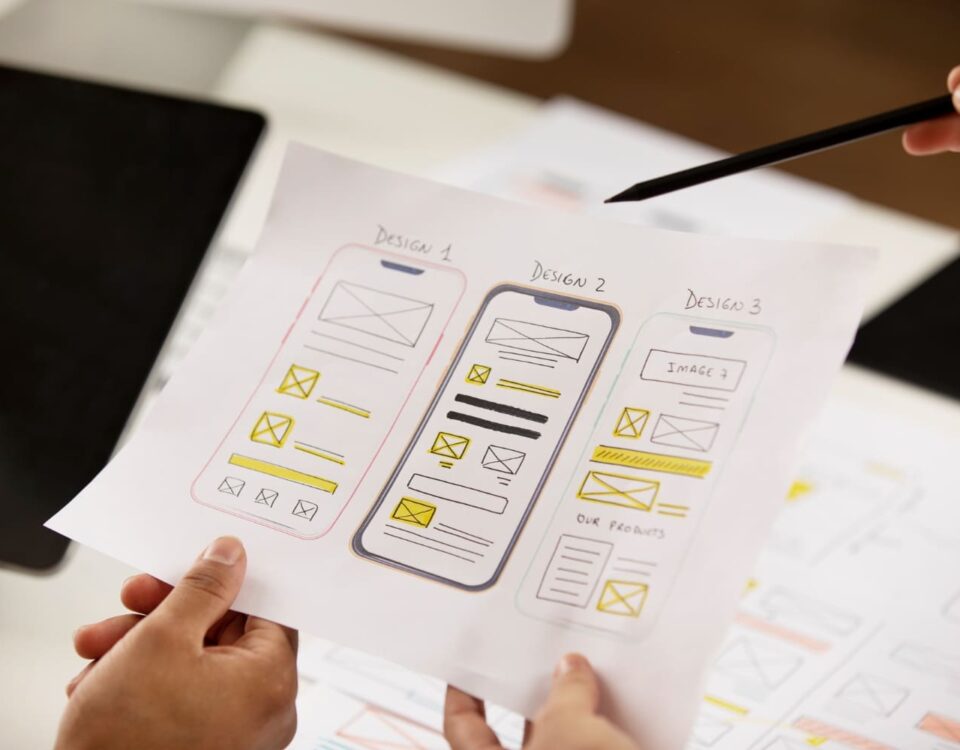
Graphic design in 2026 is increasingly system-driven rather than asset-driven. Businesses are moving away from one-off visuals and towards scalable design systems that can be applied across multiple platforms.
This includes adaptive branding, responsive layouts, and design systems that support both human creativity and AI-assisted workflows.
The focus is no longer just on aesthetics, but on consistency, scalability, and performance across digital ecosystems.
The Role of AI in Modern Graphic Design
AI has become a major part of the graphic design process, but not in the way many people assume.
While AI tools can generate layouts, images, and variations quickly, they do not replace strategic thinking, brand understanding, or creative direction.
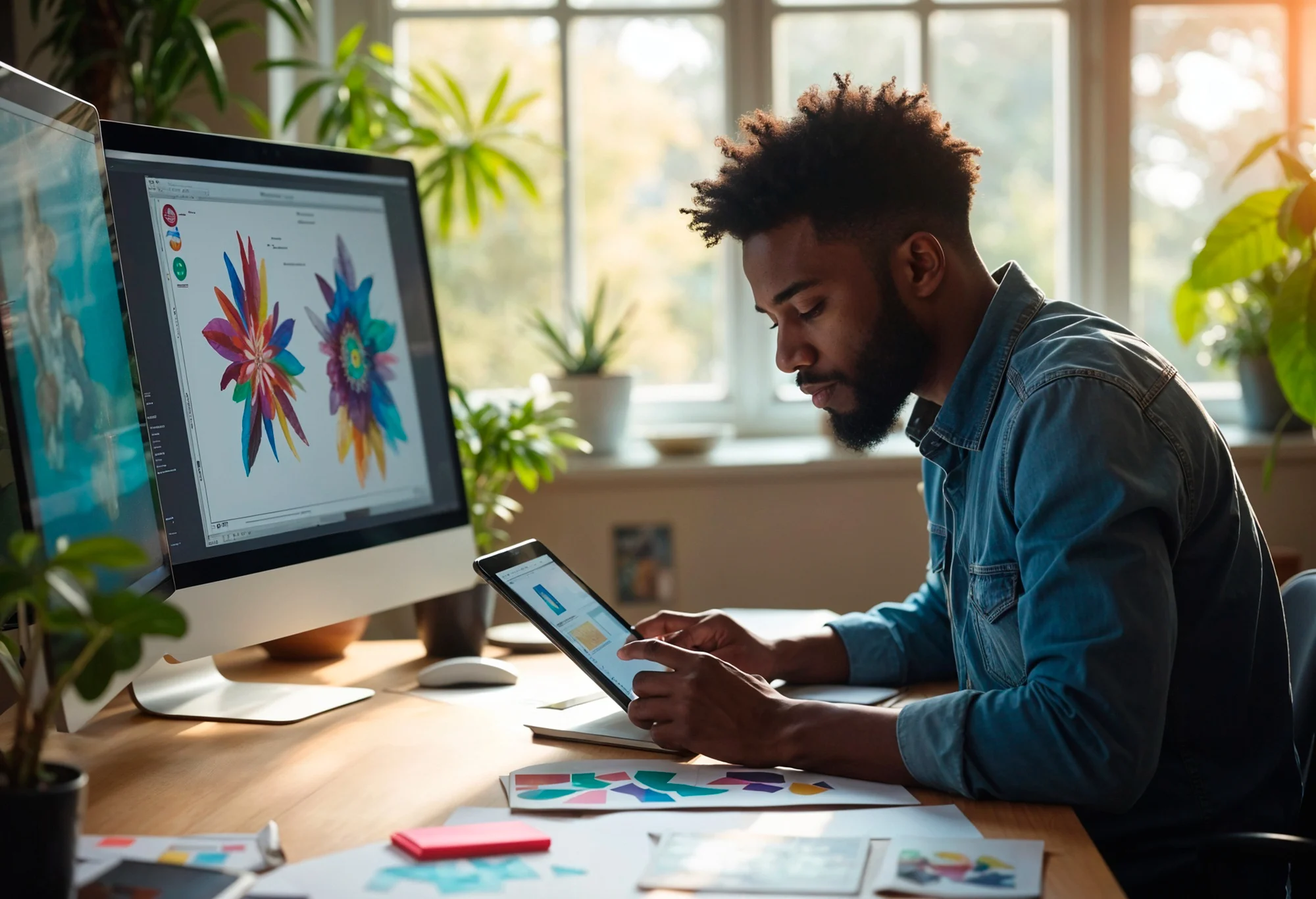
Instead, AI is best understood as an efficiency tool that supports designers by speeding up ideation, production, and variation testing.
The role of the designer is shifting towards creative direction, system building, and ensuring brand consistency across AI-assisted outputs.
Common Misconceptions About Graphic Design
There are several persistent misunderstandings about graphic design, especially with the rise of AI tools.
- Graphic design is just making things look good
- AI tools can fully replace professional designers
- Templates are enough for a strong brand presence
- Design is a quick, one-time task rather than an ongoing system
These assumptions often lead to weak branding, inconsistent visuals, and a lack of long-term design structure.
What Businesses Still Get Wrong
Many businesses still approach graphic design as a cosmetic exercise rather than a strategic tool.
Common mistakes include:
- Prioritising speed over strategy
- Using inconsistent design styles across platforms
- Relying too heavily on DIY tools without guidelines
- Underestimating the importance of brand consistency
This results in fragmented communication and reduced trust with audiences.
What Professional Graphic Design Actually Delivers
Professional graphic design goes beyond visual execution. It focuses on creating clarity, structure, and consistency across all brand touchpoints.
This includes building systems that ensure every visual element communicates the same message, regardless of platform or format.
Good design improves recognition, supports marketing performance, and strengthens overall brand perception.
Why Strategy Still Matters More Than Tools
No matter how advanced design tools become, strategy remains the foundation of effective design.
Without clear positioning, audience understanding, and brand direction, even the best visuals will fail to communicate effectively.
Strategy ensures that design decisions are intentional rather than decorative.
When You Need Professional Graphic Design
Businesses typically reach a point where DIY tools and templates are no longer sufficient.
Professional graphic design becomes necessary when:
- Your brand lacks consistency across platforms
- Your visuals no longer reflect your business growth
- You are struggling to stand out in a competitive market
- You need scalable systems rather than one-off designs
Frequently Asked Questions
Is AI going to replace graphic designers?
No. AI is changing how design is produced, but it does not replace strategic thinking, brand understanding, or creative direction. Designers are shifting towards system building and creative oversight.
Can I just use templates instead of hiring a designer?
Templates can help with speed, but they do not provide brand differentiation or strategic alignment. Most template-based brands end up looking similar and lack recognition.
Is graphic design still important in 2026?
Yes. In fact, it is more important than ever due to increased competition and digital saturation. Strong design helps brands stand out and build trust quickly.
What is the difference between AI design and professional design?
AI design focuses on speed and output generation, while professional design focuses on strategy, consistency, and long-term brand impact.
Conclusion
Graphic design in 2026 is no longer just about visuals. It is about systems, strategy, and how design integrates with technology and brand identity.
While AI has changed the tools, it has not replaced the need for thoughtful, structured, and strategic design. Businesses that understand this distinction are far more likely to build strong, recognisable brands in an increasingly competitive landscape.